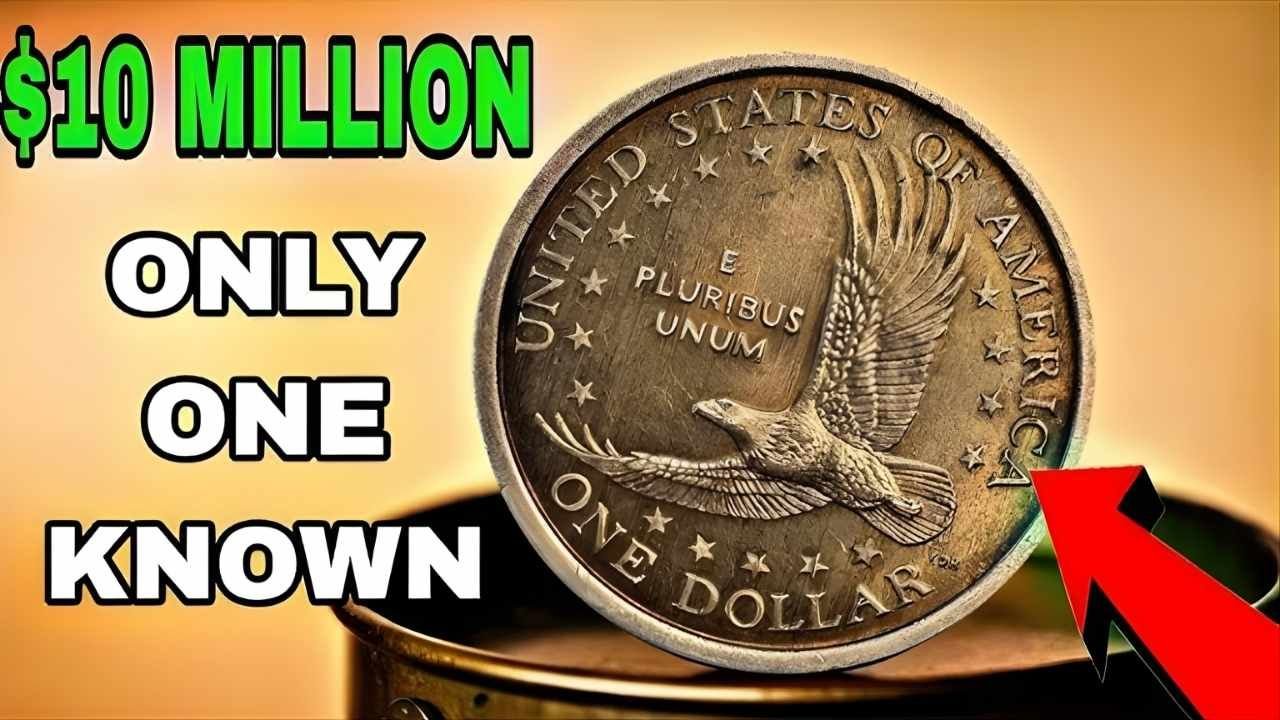
The Sacagawea Dollar stands as one of the most distinctive modern coins in American numismatics. First released in 2000, the coin was introduced to replace the Susan B. Anthony Dollar and quickly became recognizable for its golden hue and powerful historical symbolism. While most examples trade near face value, select errors, rare mint varieties, and flawless high-grade coins have achieved remarkable premiums in 2026.
For collectors and investors seeking opportunity in modern coinage, the Sacagawea Dollar offers a compelling blend of history, scarcity, and long-term growth potential.
The Origins of the Sacagawea Dollar
The coin honors Sacagawea, the Shoshone woman who guided the Lewis and Clark expedition across the American frontier. The obverse, designed by Glenna Goodacre, features Sacagawea carrying her infant son, Jean Baptiste. The original reverse displayed a soaring eagle, symbolizing peace and freedom.
Beginning in 2009, the reverse design changed annually under the Native American $1 Coin Program, highlighting contributions of Native Americans to U.S. history and culture.
Although the coin never achieved widespread circulation use, it developed a strong collector following, especially for early releases and rare production anomalies.
Understanding Mint Marks and Production
Sacagawea Dollars were struck at three primary facilities:
- P – Philadelphia
- D – Denver
- S – San Francisco (Proof and special collector issues)
Mint marks can influence value, particularly when tied to limited mintage, special finishes, or rare errors.
2026 Mint Mark Value Snapshot
| Mint Mark | Type | Typical Value |
|---|---|---|
| P | Circulation strike | $1 – $10 |
| D | Circulation strike | $1 – $10 |
| S | Proof strike | $5 – $50 |
| S (Silver Proof or Error) | Special collector issue | $25 – $5,000+ |
While most standard circulation coins remain modestly priced, proof and error coins from San Francisco often command higher premiums.
The Legendary Mule Error
Among modern U.S. coin errors, the Sacagawea Dollar Mule stands as one of the most famous.
In 2000, a small number of coins were mistakenly struck pairing the Sacagawea obverse with the reverse of a Washington quarter. This dramatic mismatch created a historic rarity that stunned collectors.
The 2000 Sacagawea Mule error has achieved auction results exceeding $250,000, cementing its status as one of the most valuable modern mint mistakes ever discovered.
Other High-Value Sacagawea Dollar Errors
Beyond the Mule error, several additional production mistakes command significant premiums.
Notable Error Types
| Error Type | Description | Potential Value |
|---|---|---|
| Mule Error | Quarter reverse paired with Sacagawea obverse | $250,000+ |
| Wrong Planchet | Struck on incorrect metal blank | $50,000+ |
| Double Strike | Coin struck twice | $10,000+ |
| Off-Center Strike | Misaligned design | $5,000+ |
These errors are rare and typically authenticated by professional grading services before reaching the market.
Grading and Condition: The True Value Drivers
Condition plays a critical role in determining price. Sacagawea Dollars are graded using the Sheldon Scale, from P-1 (Poor) to MS-70 (Perfect Mint State). Proof coins receive PF designations.
General Grade Value Guide
| Grade | Description | Approximate Value |
|---|---|---|
| AU-50 | About Uncirculated | $50 |
| MS-63 | Mint State | $100 |
| MS-65 | Gem Mint State | $250 |
| MS-67 | Superb Mint State | $500 |
| MS-69 | Near Perfect | $1,000+ |
| MS-70 | Perfect | $2,500+ |
Ultra-high-grade coins with flawless surfaces, strong luster, and exceptional eye appeal often achieve premium registry-set pricing.
For modern coins especially, achieving MS-69 or MS-70 can dramatically increase value.
Key Years and Special Issues
While the Mule error dominates headlines, several other issues attract collector interest:
- 2000-P “Cheerios” Dollar – Early promotional release with enhanced eagle tail feathers.
- 2009–Present Native American Series – Annual reverse changes.
- Silver Proof Editions – Produced primarily at the San Francisco Mint.
- Low-Mintage Special Sets – Anniversary and collector editions.
Early-year coins in pristine condition continue to perform strongly in auctions and private sales.
2026 Market Trends
The Sacagawea Dollar market remains active and increasingly global in 2026. Several factors contribute to its resilience:
Modern Rarity Appeal
Collectors are recognizing that modern mint errors can be just as valuable as classic 20th-century rarities.
Accessibility
Unlike early 1900s coins, Sacagawea Dollars are more attainable, allowing new collectors to enter the market.
Digital Auction Growth
Online marketplaces and certification platforms have expanded visibility and liquidity.
Registry Competition
High-grade MS-69 and MS-70 coins are increasingly pursued by competitive collectors building top-ranked sets.
While most Sacagawea Dollars remain affordable, elite errors and perfect-grade coins continue to appreciate steadily.
Comparison With Other Modern Error Coins
The Sacagawea Mule error stands alongside other valuable modern mint mistakes, including:
- 1975 No S Roosevelt Dime
- 1982 No Mint Mark Roosevelt Dime
- 1969-S Double Die Lincoln Cent
- 2000 Sacagawea Mule Dollar
Among these, the Mule error remains one of the most dramatic and widely publicized.
Expert Collector Strategies
For those building a Sacagawea Dollar collection in 2026, consider the following:
Prioritize Early Issues
The 2000 releases, including the Cheerios variety, remain foundational.
Seek Certified Examples
Authentication protects against counterfeits and enhances resale value.
Target High Grades
Modern coins in MS-69 and MS-70 can significantly outperform lower grades.
Watch for Errors
Even minor striking anomalies can carry meaningful premiums.
Preserve Properly
Store coins in climate-controlled conditions using professional holders to maintain surfaces.
Cultural and Historical Significance
The Sacagawea Dollar represents a major milestone in American coinage. It highlights Native American heritage and expanded representation in U.S. currency design.
Its golden appearance, achieved through a manganese-brass clad composition, gives it a distinctive presence compared to other circulating coins.
Beyond its financial appeal, the coin symbolizes exploration, resilience, and national history.
Final Thoughts
The Sacagawea Dollar has matured into a respected modern collectible. While most examples remain accessible, rare errors like the 2000 Mule and flawless high-grade proofs demonstrate that modern coins can achieve extraordinary value.
As of 2026, collectors continue to pursue mint errors, special editions, and pristine certified examples. Whether acquired for historical appreciation or investment diversification, the Sacagawea Dollar offers a compelling opportunity in today’s numismatic market.
In the world of modern coin collecting, this golden dollar proves that rarity and history can transform everyday currency into a prized asset.