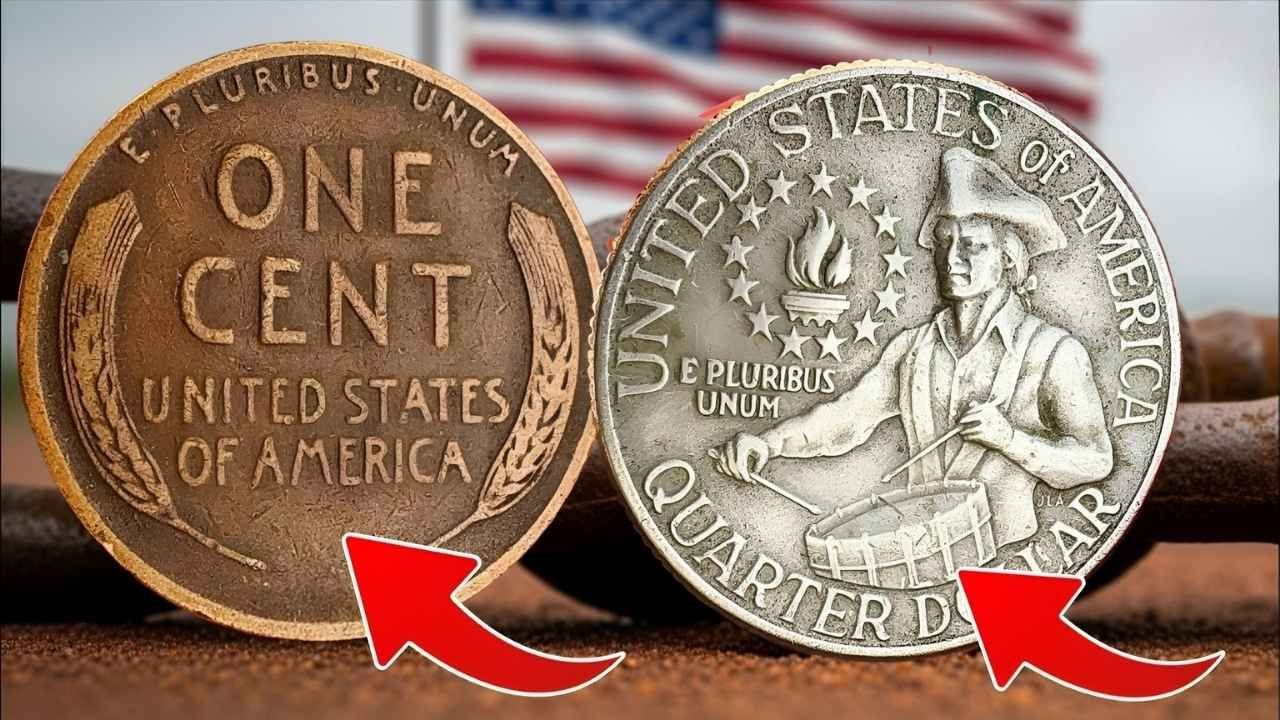
In the world of rare coins, few pieces capture attention like the Lincoln Wheat cent. Minted from 1909 to 1958, this small copper coin carries immense historical weight—and in certain cases, remarkable financial value.
While millions were produced, a handful of rare varieties have become elite collectibles worth thousands or even six figures. For investors and collectors alike, these coins represent the powerful intersection of scarcity, condition, and historical significance.
Here are three of the most valuable Lincoln Wheat Pennies ever struck—and how to recognize them.
The Legacy Behind the Lincoln Wheat Cent
Introduced in 1909 to commemorate the 100th anniversary of Abraham Lincoln’s birth, the Lincoln Wheat Cent was groundbreaking. It became the first U.S. circulating coin to feature a real historical figure rather than a symbolic image.
Designed by Victor David Brenner, the coin displays Lincoln’s portrait on the obverse and two wheat stalks framing “ONE CENT” on the reverse. The design remained in circulation for nearly 50 years, making it one of the longest-running coin designs in U.S. history.
Its enduring popularity and long production period created opportunities for rare dates, low mintages, and dramatic minting errors—key ingredients for long-term value growth.
What Makes a Wheat Penny Valuable?
Not all old pennies are rare. Value depends on four primary factors:
1. Rarity
Coins with low original mintages or high attrition rates command stronger demand.
2. Condition
Professional grading significantly impacts price. A coin in Mint State condition can be worth exponentially more than a heavily circulated example.
3. Mint Mark
The small letter beneath the date indicates where the coin was struck—Philadelphia (no mark), Denver (D), or San Francisco (S). Certain mint locations produced far fewer coins.
4. Errors
Doubled dies, off-center strikes, and other production mistakes can transform an ordinary coin into a prized rarity.
Understanding these fundamentals is essential for identifying potential hidden gems.
1. 1909-S VDB Lincoln Wheat Cent
The 1909-S VDB Lincoln cent stands at the top of nearly every Lincoln collector’s wish list.
When the Wheat Cent debuted in 1909, designer Victor David Brenner included his initials “VDB” prominently on the reverse. Public criticism quickly followed, and the U.S. Mint removed the initials shortly after release.
However, before the change, the San Francisco Mint produced only 484,000 coins with the initials intact—an extremely small number compared to other issues of the era.
Why It’s Valuable:
- Very low mintage
- Historical first-year issue
- Strong collector demand for complete sets
In circulated condition, examples often sell for thousands of dollars. High-grade specimens with strong eye appeal can exceed $100,000 at major auctions.
2. 1914-D Lincoln Wheat Cent
The 1914-D Lincoln cent is another foundational rarity within the series.
With a mintage of just over 1.1 million coins, the 1914-D had relatively limited production from the Denver Mint. Unfortunately, many entered heavy circulation, leaving few survivors in premium condition.
Why It’s Valuable:
- Low surviving population in high grades
- Essential “key date” for full Wheat Cent collections
- Strong long-term demand from advanced collectors
Even well-worn examples can command several hundred dollars. Uncirculated coins with sharp detail and original luster often reach five-figure territory.
Because of its value, the 1914-D is frequently counterfeited, making professional authentication critical before purchase.
3. 1955 Doubled Die Lincoln Wheat Cent
Among error coins, few are as dramatic as the 1955 Doubled Die Lincoln cent.
This famous variety resulted from a misalignment during die creation, producing bold and highly visible doubling on the obverse. The date, the word “LIBERTY,” and the motto “IN GOD WE TRUST” appear distinctly doubled—even without magnification.
Thousands entered circulation before the error was detected, but many were eventually removed by collectors who recognized its uniqueness.
Why It’s Valuable:
- Extremely visible and collectible error
- Popular among both beginners and seasoned numismatists
- Limited surviving high-grade examples
Circulated examples regularly sell for several thousand dollars. Top-tier Mint State examples can exceed $50,000 depending on condition and certification.
Estimated Value Overview
While values fluctuate with market demand and grading precision, approximate ranges include:
- 1909-S VDB: Four to six figures depending on grade
- 1914-D: Hundreds to tens of thousands
- 1955 Doubled Die: Thousands to over $50,000
Premium prices are typically reserved for coins graded by respected third-party services and preserved in near-flawless condition.
How to Identify Rare Wheat Pennies
If you are reviewing old coins, pay attention to the following:
Examine the Date Carefully
Key years like 1909, 1914, and 1955 deserve closer inspection.
Look for Mint Marks
The small “S” or “D” beneath the date can make a dramatic difference in value.
Check for Doubling
On a 1955 Doubled Die, lettering appears thick and clearly separated—not just slightly blurred.
Avoid Cleaning
Cleaning can permanently damage a coin’s surface and significantly reduce its value.
If you suspect you have a rare variety, consult a professional grading service before attempting to sell.
The Investment Perspective
Rare coins are increasingly viewed as alternative assets. Unlike equities or digital investments, tangible collectibles offer intrinsic historical value alongside financial potential.
Elite Wheat Cent varieties benefit from:
- Finite supply
- Consistent global demand
- Strong liquidity through auctions and dealer networks
- Decades of established collector interest
While speculative buying is risky, carefully selected key-date coins in strong condition have historically shown steady long-term appreciation.
The Enduring Appeal of Hidden Treasure
Perhaps the most captivating aspect of Wheat Penny collecting is possibility. Because these coins circulated for decades, they still occasionally appear in estate collections, inherited jars, and forgotten albums.
The idea that a six-figure rarity could sit unnoticed among ordinary coins continues to inspire collectors worldwide.
Even if most discoveries are modest in value, the excitement of searching connects modern collectors with more than a century of American history.
Final Thoughts
The Lincoln Wheat Cent may be small, but its legacy is immense. The 1909-S VDB, 1914-D, and 1955 Doubled Die represent the pinnacle of the series—coins that blend rarity, storytelling, and financial significance.
For collectors, these pennies are more than currency. They are artifacts of design evolution, economic change, and minting imperfection. Whether held as investments or preserved as historical keepsakes, they remain enduring symbols of how extraordinary value can emerge from the most ordinary places.
Sometimes, fortune truly fits in the palm of your hand.